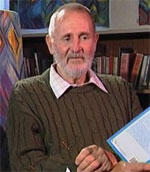
About Tatamkhulu Afrika
Tatamkhulu Afrika (born Ismail Joubert) was a South African poet and novelist with a remarkable life story. Born to an Egyptian father and Turkish mother, he was orphaned young and raised by a white South African family. He converted to Islam, joined the ANC, and was imprisoned for his anti-apartheid activism. His poetry is characterised by its directness, moral urgency, and unflinching examination of life under apartheid and its aftermath.
About the Poem
The poem explores the experience of being made to feel like a trespasser in one's own land — a powerful metaphor for the racial exclusion enforced under apartheid. The speaker describes moving through spaces where they are unwelcome, watched, and judged, despite having every right to be there. The poem captures the psychological violence of segregation: the internalised shame and anger of being treated as an intruder in the country of your birth.
Key Themes
- Racial exclusion and apartheid
- Belonging and displacement
- The violence of segregation
- Identity and dignity
- Resistance and defiance
Literary Devices
Metaphor
The 'trespasser' represents anyone made to feel unwelcome in their own country
Imagery
Physical descriptions of spaces and boundaries convey exclusion
Tone
A controlled anger simmers beneath the surface of the poem
First person
The personal perspective makes the experience of exclusion immediate and visceral
Historical & Literary Context
Afrika wrote from direct experience of apartheid South Africa, where racial classification determined every aspect of life — where you could live, work, eat, and walk. His poetry bears witness to this injustice with a moral clarity shaped by his own complex racial identity and his commitment to the liberation struggle.
Continue with Video & Presentation
Access the paid lesson resources for this poem.