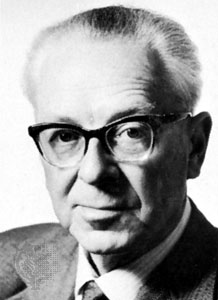
About William Plomer
William Plomer was a South African-born writer who later settled in England. He is known for his novels, short stories, and poetry that often explored themes of racial tension and colonial identity in South Africa. His first novel, 'Turbott Wolfe' (1926), caused a scandal for its sympathetic treatment of interracial relationships. He also worked as a literary editor and wrote libretti for Benjamin Britten's operas.
About the Poem
The poem describes the extraordinary transformation of the Namaqualand desert after rainfall, when the arid landscape suddenly bursts into vibrant wildflower blooms. Plomer captures the astonishing beauty of this natural phenomenon with rich, colourful imagery. The poem celebrates the resilience of nature and the almost miraculous capacity for renewal and rebirth in even the harshest environments. It stands as both a nature poem and a broader meditation on hope and transformation.
Key Themes
- The beauty and resilience of nature
- Transformation and renewal
- The South African landscape
- Hope and regeneration
- The contrast between barrenness and abundance
Literary Devices
Vivid imagery
Rich colour and sensory descriptions bring the flowering desert to life
Contrast
The barren desert before rain versus the explosion of flowers after
Personification
Nature is given agency and vitality
Celebratory tone
The poem's energy mirrors the exuberance of the blooming landscape
Historical & Literary Context
Namaqualand, in the Northern Cape of South Africa, is famous for its annual wildflower season. Plomer, writing from a dual South African-British perspective, captures something uniquely African with universal resonance — the capacity for beauty to emerge from seemingly barren ground.
Continue with Video & Presentation
Access the paid lesson resources for this poem.