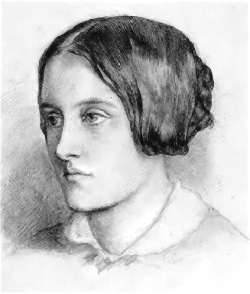
About Christina Rossetti
Christina Rossetti was one of the foremost female poets of the Victorian era, associated with the Pre-Raphaelite literary movement. Her poetry is known for its clarity, emotional restraint, and exploration of love, death, and religious devotion. Despite battling illness throughout her life, she produced a substantial body of work that remains widely studied and admired.
About the Poem
The speaker, contemplating her approaching death, asks her beloved to remember her after she has gone. However, as the sonnet progresses, she shifts her position — realising that it would be better for him to forget and be happy than to remember and be consumed by sorrow. The poem moves from a plea for remembrance to a generous act of release, prioritising the loved one's peace over the speaker's desire to be remembered.
Key Themes
- Death and mortality
- Love and selflessness
- Memory and forgetting
- Grief and acceptance
Literary Devices
Volta (turn)
The shift at 'yet if you should forget me' marks a change from plea to release
Euphemism
Death is referred to as 'the silent land' and 'gone away'
Petrarchan sonnet form
The octave-sestet structure mirrors the shift in the speaker's thinking
Repetition
'Remember' is repeated to emphasise the speaker's initial desire
Historical & Literary Context
Written in 1849 when Rossetti was only 19, the poem reflects Victorian preoccupations with death, mourning, and the afterlife. The Pre-Raphaelite movement valued emotional sincerity and beauty, both of which are evident in this tender, restrained sonnet.
Continue with Video & Presentation
Access the paid lesson resources for this poem.