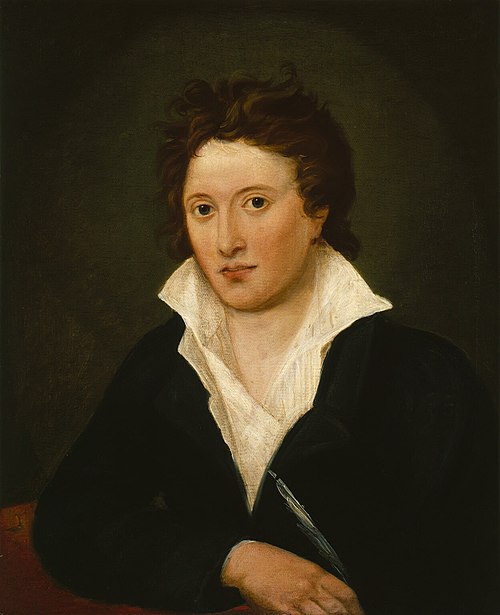
About Percy Bysshe Shelley
Percy Bysshe Shelley was one of the major English Romantic poets, known for his radical political views and lyrical idealism. His works champion liberty, imagination, and the power of nature. Shelley's life was marked by personal turmoil and social controversy, and he drowned tragically at the age of 29. His poetry continues to inspire with its passionate vision and musical language.
About the Poem
A traveller describes encountering a ruined statue in the desert — the remains of a once-great monument to the pharaoh Ozymandias (Ramesses II). The shattered visage still bears a sneer of 'cold command,' and the pedestal reads: 'Look on my Works, ye Mighty, and despair!' Yet nothing remains but empty desert. The poem is a powerful meditation on the impermanence of power and human achievement.
Key Themes
- The transience of power
- Pride and hubris
- Art's ability to outlast empires
- Time and decay
- The futility of tyranny
Literary Devices
Irony
The boastful inscription is undercut by the surrounding desolation
Imagery
Vivid description of the 'shattered visage' and 'lone and level sands'
Framing narrative
The story is told second-hand, adding distance and universality
Symbolism
The ruined statue symbolises the inevitable fall of all tyrants
Historical & Literary Context
Written in 1818, the poem reflects Shelley's radical politics and opposition to tyranny. The Romantic movement valued individual freedom and was deeply critical of oppressive power structures. The poem also responds to the British Museum's acquisition of Egyptian antiquities.
Continue with Video & Presentation
Access the paid lesson resources for this poem.