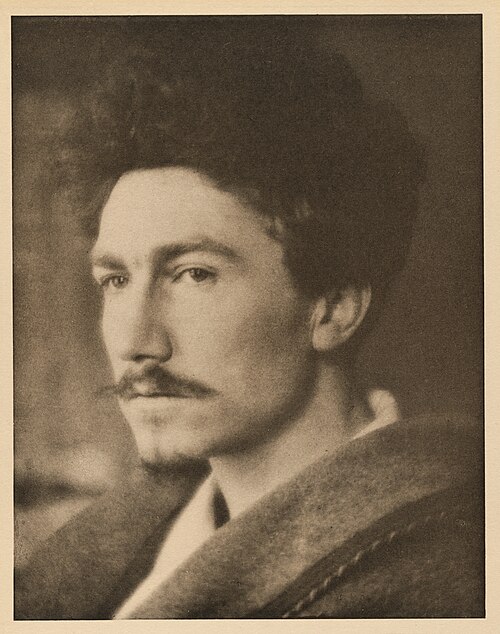
About Ezra Pound
Ezra Pound was a towering and controversial figure in modernist poetry. An American expatriate who spent most of his life in Europe, he championed literary innovation and helped launch the careers of T.S. Eliot, James Joyce, and others. His Imagist movement revolutionised English-language poetry with its emphasis on precision, clarity, and economy of language. His legacy is complicated by his support for Italian fascism during World War II.
About the Poem
Part of the longer sequence 'Hugh Selwyn Mauberley,' this poem reflects bitterly on World War I. The speaker describes young men who fought and died not for noble ideals but for 'a botched civilisation' and 'old men's lies.' The poem contrasts the sacrifice of soldiers with the corrupt, decaying society they were told they were defending. It is a searing indictment of war and the establishment that sent a generation to their deaths.
Key Themes
- The futility and horror of war
- Betrayal by authority
- Sacrifice and disillusionment
- The failure of civilisation
- Loss of a generation
Literary Devices
Irony
The soldiers died for ideals ('dulce et decorum est') that proved hollow
Allusion
References to classical literature and Horace's famous phrase underscore the gap between ideal and reality
Juxtaposition
The beauty of classical culture is set against the brutality of modern warfare
Fragmentation
Broken syntax and shifting references reflect the shattered post-war world
Historical & Literary Context
Published in 1920, the poem belongs to the wave of disillusioned modernist literature that followed World War I. The catastrophic loss of life and faith in progress profoundly shaped 20th-century art. Pound's biting critique connects the failures of European civilisation to the senseless slaughter of young soldiers.
Continue with Video & Presentation
Access the paid lesson resources for this poem.