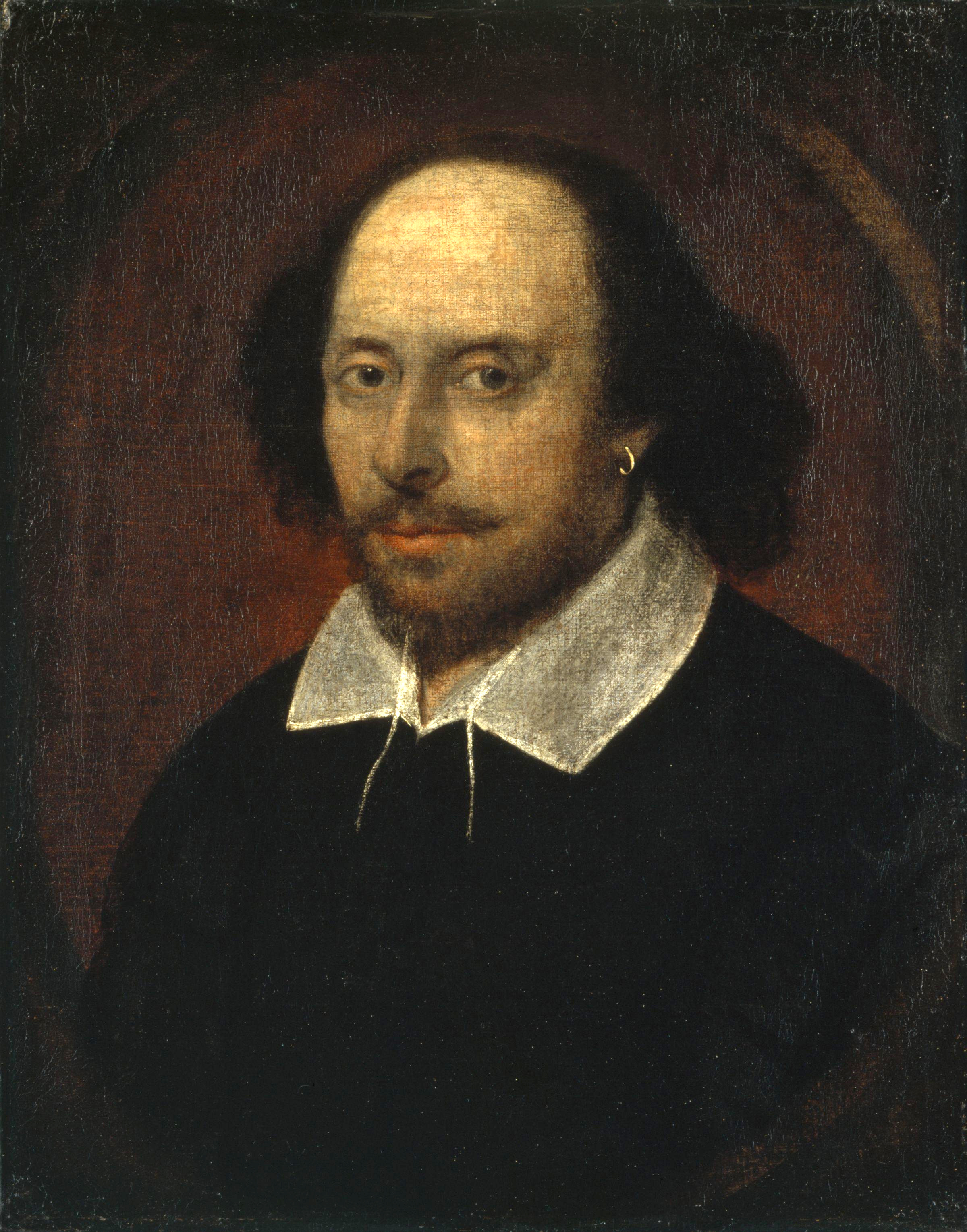
About William Shakespeare
William Shakespeare is widely regarded as the greatest writer in the English language. Born in Stratford-upon-Avon, he wrote approximately 39 plays, 154 sonnets, and several longer poems. His works explore the full range of human emotion and experience, from the comedies of love to the darkest tragedies. He was a key figure in the English Renaissance and his influence on literature, theatre, and the English language itself is immeasurable.
About the Poem
In this sonnet, Shakespeare reflects on the role and power of the poet. The speaker meditates on how the poet's imagination gives form to things unknown, turning the abstract into something tangible and real. The poem celebrates the creative process and the poet's unique ability to capture truth and beauty through language. It is a self-aware exploration of what it means to write and create art.
Key Themes
- The power of imagination
- The role of the poet
- Art and creation
- Truth and beauty
Literary Devices
Metaphor
The poet's pen is presented as a tool that gives shape to 'airy nothing'
Personification
Imagination is given human qualities and creative agency
Iambic pentameter
The regular rhythm mirrors the ordered craft of poetry itself
Enjambment
Lines flow into one another, reflecting the continuous nature of creative thought
Historical & Literary Context
Written during the English Renaissance, this poem reflects the period's deep interest in art, humanism, and the individual's creative power. Shakespeare's era saw poetry as a noble pursuit capable of immortalising truth and beauty beyond the reach of time.
Continue with Video & Presentation
Access the paid lesson resources for this poem.