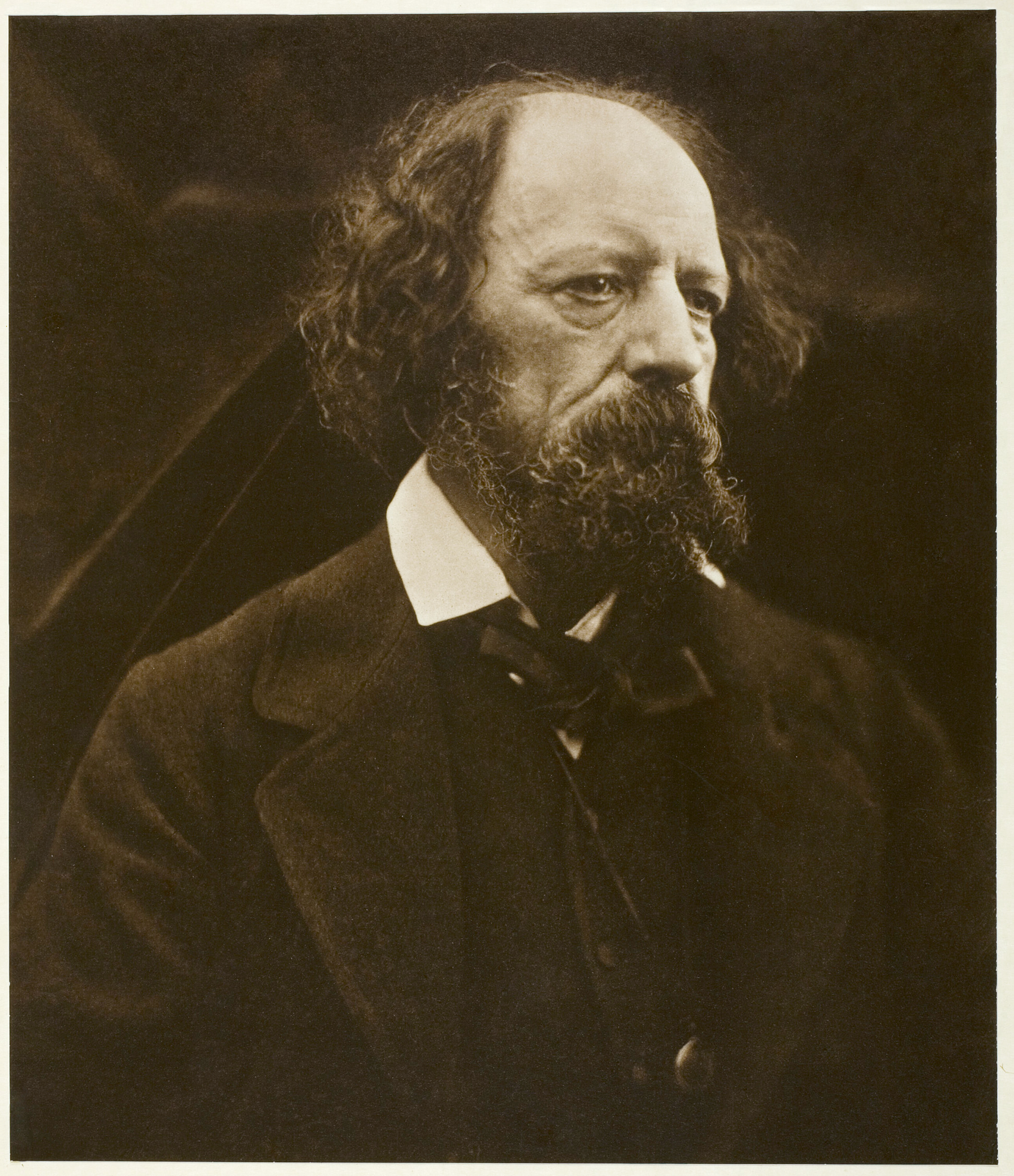
About Alfred, Lord Tennyson
Alfred, Lord Tennyson served as Poet Laureate of Great Britain for over 40 years, making him one of the most prominent Victorian poets. His work is characterised by its musical quality, vivid imagery, and engagement with the moral and philosophical questions of his era. Tennyson's poetry often explores themes of duty, loss, faith, and the desire for meaning in a changing world.
About the Poem
The aged hero Ulysses (Odysseus), now returned home to Ithaca, finds domestic life unbearable after his years of adventure. He reflects on his past experiences and declares his restless desire to continue exploring, even in old age. He entrusts the governance of Ithaca to his son Telemachus and rallies his aged mariners for one final voyage. The poem is a stirring declaration that life should be lived fully until the very end.
Key Themes
- The desire for knowledge and experience
- Ageing and the refusal to accept decline
- Duty versus personal fulfilment
- The heroic spirit
- Mortality and legacy
Literary Devices
Dramatic monologue
Ulysses speaks directly, revealing his inner thoughts and desires
Allusion
References to Homer's Odyssey and Dante's Inferno enrich the poem
Metaphor
'To sail beyond the sunset' represents the quest for meaning beyond death
Enjambment
Lines flow continuously, reflecting Ulysses' restless energy
Historical & Literary Context
Written in 1833 shortly after the death of Tennyson's close friend Arthur Hallam, the poem channels personal grief into a broader meditation on how to face loss and mortality. The Victorian era's emphasis on duty and progress resonates through Ulysses' refusal to simply fade away.
Continue with Video & Presentation
Access the paid lesson resources for this poem.