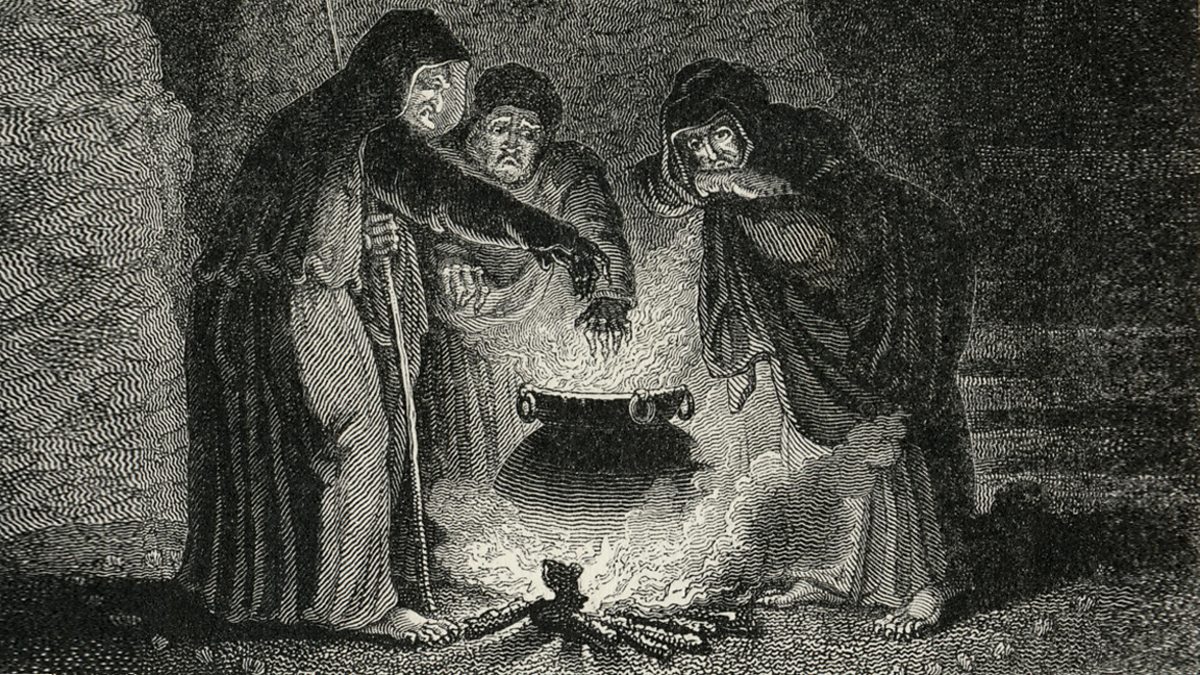
Almost everyone has a superstition, even if they would never admit it. We avoid walking under ladders, knock on wood, or feel uneasy when something happens that a grandparent once warned us about. Minji Karibo's Superstition takes this familiar experience and asks serious questions about it. Where do our beliefs come from? Why do they keep their hold on us, even when we think we know better? And what do they tell us about who we are? This post explores the poem's themes and techniques, and offers guidance on writing about cultural belief with sensitivity.
The poet and the context
Minji Karibo is a Nigerian poet whose work explores the meeting point of traditional African beliefs, modern life and cultural identity. Superstition sits within the wider tradition of post-colonial African writing, which often examines how inherited practices exist alongside, or in tension with, modern and Western ways of thinking. Keep that context in mind, but remember that the poem speaks to a universal experience. Superstition is not unique to any one culture.
What the poem explores
The speaker reflects on superstitions, beliefs about luck, omens and the unseen, and considers how they shape everyday behaviour. These beliefs connect people to their families and heritage, but they can also limit choices and create fear. The speaker neither simply mocks nor simply accepts them. Instead, the poem holds both responses at once: a respect for tradition and a questioning, sometimes ironic, distance from it.
Key themes
- Tradition versus modernity: the poem places old beliefs in a modern setting and explores the friction between them.
- The power of belief: superstitions shape actions, even when people doubt them. The poem asks why belief is so persistent.
- Fear of the unknown: many superstitions are ways of managing fear. They offer a sense of control over things that cannot really be controlled.
- Cultural identity: beliefs passed down through generations are part of who people are. Letting go of them can feel like losing a connection to the past.
- The individual and the community: a person may privately doubt a belief while still feeling bound to respect it because of family or community expectations.
Key techniques
Imagery
Karibo uses vivid images of superstitious practices and their effects. When you annotate, look for images that make the unseen feel present and real, and ask whether they create a sense of mystery, unease or warmth.
Irony
The poem explores the gap between rational thought and superstitious behaviour. Irony appears when what people say they believe and what they actually do do not match. Explaining that gap precisely will strengthen your answer.
Tone
The tone blends respect with gentle questioning. This balance is important: the poem does not dismiss tradition, but neither does it accept it without thought. Describe this mixed tone carefully, and track any shifts. For help with precise tone vocabulary, see Tone vs Mood in Poetry: How to Tell Them Apart.
Symbolism
Individual superstitions can be read as symbols of something larger: the ongoing negotiation between heritage and change in contemporary Africa, and indeed in any society where old and new ways of life meet.
Exam tip: because the poem's tone is mixed, avoid one-word labels. "Respectful but questioning" is far more convincing than "sarcastic" or "serious".
Writing about belief with respect
A poem about superstition can tempt learners into dismissive language. Avoid words like "primitive" or "silly" when discussing cultural beliefs. Not only are they disrespectful, they also misread the poem, which treats belief as complex and meaningful. Instead:
- Describe beliefs neutrally: "traditional beliefs", "inherited practices", "beliefs about luck and omens".
- Focus on the speaker's attitude, not your own. The question is usually what the poem suggests, not whether superstitions are true.
- Acknowledge complexity. Beliefs can comfort and constrain at the same time.
- Connect to universal experience. Every culture has its superstitions, which is part of why the poem resonates.
Comparing with other poems
The site's comparative lesson Common Themes: Superstition and Constantly Risking Absurdity pairs Karibo's poem with Ferlinghetti's Constantly Risking Absurdity. Both explore forces beyond rational control. In Karibo's poem, people act on beliefs to protect themselves from an uncertain world; in Ferlinghetti's, the poet steps out onto a wire, accepting uncertainty as the price of creating something true. Our post The Poet as Acrobat: Constantly Risking Absurdity explores the second poem in depth.
Another interesting pairing is Amin Kassam's Strangers Forever. Both poets write from post-colonial African contexts and explore identity under pressure from change, though Kassam's focus is on division between people while Karibo's is on the inner life of belief.
For a general method, see How to Compare Two Poems in an Exam Answer.
Revision checklist
- Can you explain the tension between tradition and modernity in two or three sentences?
- Have you chosen a few short phrases from your anthology that capture the speaker's mixed tone? Karibo's poem is in copyright, so quote only a few words at a time.
- Can you identify at least one example of irony and explain the gap it reveals?
- Have you practised a comparison paragraph with Ferlinghetti?
The member lessons on this poem and its comparison with Ferlinghetti take you through the text in detail (see the options).
Go Further with Video Lessons
Step-by-step video analyses and exam-style PowerPoints for every prescribed poem and setwork.