Every year, after the winter rains, parts of Namaqualand in the Northern Cape are transformed. Land that looks dry and almost lifeless for much of the year suddenly fills with wildflowers, sometimes in sweeping carpets of colour. William Plomer's Namaqualand After Rain captures that transformation in a poem bursting with energy. It is a landscape poem, but it is also a poem about hope, resilience and the surprising capacity of life to renew itself. This post looks at how Plomer achieves his effects and how you can write about them.
The poet and the place
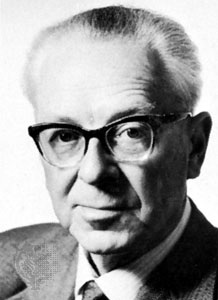
William Plomer was born in South Africa in 1903 and later settled in England. He wrote novels, short stories and poems, and much of his work engaged with South African life, sometimes controversially. His poem looks at a uniquely South African event, yet the experience it describes, beauty emerging from barren ground, is universal. Knowing that Namaqualand's flower season is a real and famous phenomenon helps you appreciate how closely Plomer observes it.
What happens in the poem
The poem celebrates the moment of change: the dry veld, refreshed by rain, comes alive with flowers. Plomer piles up images of colour and abundance, and the landscape seems to take on a life and personality of its own. The overall movement is from scarcity to abundance, from silence to celebration. Read the poem's study page for a summary of its themes and devices.
Key techniques
Imagery and colour
The poem's power lies in its imagery. Plomer appeals to the eye above all, filling the landscape with colour, but notice where he also suggests texture, movement or even sound. When you annotate, mark each image and ask what it adds. Is the landscape presented as delicate, luxurious, wild, joyful? For more on writing well about images, see Imagery in Poetry: Beyond "It Creates a Picture".
Contrast
The flowers are all the more astonishing because of what came before. The poem's energy depends on the contrast between the barren veld and its sudden bloom. Even when the dry land is not described at length, its presence is felt, and the contrast gives the poem its sense of wonder.
Personification
Nature in the poem has agency. The land seems to revive, to dress itself, to celebrate. Personification turns a natural event into something closer to a festival or a rebirth. When you discuss it, explain why it matters: it makes the transformation feel purposeful and joyful rather than merely biological.
Tone
The tone is celebratory and exuberant. The poem's rhythm and its heaping-up of images reflect the excitement of the speaker. Try to describe this precisely: is it wonder, delight, gratitude, or something close to worship?
Themes worth exploring
- Renewal and rebirth: the most obvious theme, and the one you should be able to discuss with the most confidence.
- Resilience: life survives in the harshest conditions and returns when the chance comes.
- Hope: the poem can be read as a symbol of hope beyond the landscape itself, for individuals or even a country.
- The South African landscape: Plomer writes about a specific place, and the poem roots its universal ideas in local detail.
- Transience: the flower season is brief. A thoughtful answer might note that part of the beauty lies in knowing it will not last.
Exam tip: when a question asks about "landscape", do not just describe what the place looks like. Explain what the landscape means in the poem, and what the speaker's response to it reveals.
Comparing with other nature poems
Namaqualand After Rain sits well beside other poems on your list:
- The Herb Garden: Stephen Gray's The Herb Garden deals with cultivated, tended nature on a small, domestic scale. Plomer's nature is wild and vast. Both suggest that growth and care can carry deeper meanings.
- Crossing Over: Chris Mann's Crossing Over also uses South African landscape, but as a ground for reflection on borders and transitions rather than celebration.
- Time and change: Plomer's renewal is a hopeful counterpoint to poems where time destroys, such as those discussed in Time and Mortality in the Prescribed Poems.
Practical revision steps
- Reread the poem and highlight every colour or visual image in one colour, and every word suggesting movement or life in another.
- Find two or three short phrases that capture the poem's tone, and learn them accurately from your anthology.
- Write a single paragraph explaining how contrast creates the poem's sense of wonder.
- Practise a comparison paragraph with The Herb Garden.
Plomer is in copyright, so rely on your anthology for exact wording and quote only a few words at a time. For wider background on the South African poets on the list, read South African Voices in the IEB Poetry Syllabus. The member lesson on this poem explores the imagery in more detail (see the options).
Go Further with Video Lessons
Step-by-step video analyses and exam-style PowerPoints for every prescribed poem and setwork.