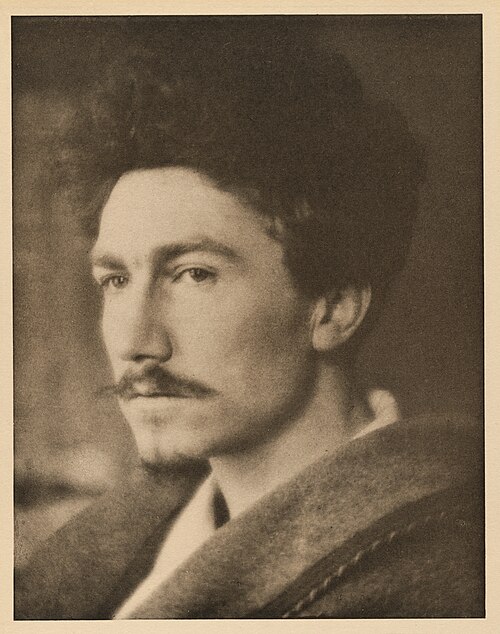
War poetry asks a lot of a reader. It deals with huge historical events, it often uses irony that is easy to miss, and its anger can be hidden beneath very controlled language. Ezra Pound's These Fought in Any Case is a good example. It is short, but packed with allusion and bitterness. This post explains how to read it, and offers a method you can apply to any war poem, including an unseen one.
Where the poem comes from
These Fought in Any Case is part of Pound's longer sequence Hugh Selwyn Mauberley, published in 1920, shortly after the First World War. That war killed millions of young men and shattered faith in progress, religion and the institutions that had led Europe into it. Pound was an American living in London at the time, and his sequence is a scathing look at the culture he saw around him. In this section, his subject is the soldiers.
What the poem says
The poem begins by listing the reasons men went to fight. Some went for adventure, some because they were afraid of seeming weak, some because they feared being criticised, and some, more darkly, because they enjoyed killing. The phrase "in any case" suggests that whatever their reasons, they fought and many died. Their motives, noble or not, made no difference to the outcome.
The poem then turns to the cost. The soldiers went believing in "old men's lies" and those who survived came home to more lies. The older generation, the politicians and leaders who sent them, are held responsible. Elsewhere in the sequence Pound goes further, condemning the whole civilisation the soldiers were told they were defending as botched and worthless.
Key techniques
Allusion and irony
The most famous allusion is to the Latin phrase "dulce et decorum est pro patria mori", from the Roman poet Horace: it is sweet and fitting to die for one's country. Pound breaks the phrase apart and negates it, insisting that the deaths were neither sweet nor fitting. You may know that Wilfred Owen used the same phrase, bitterly, in his poem Dulce et Decorum Est. Both poets turn a patriotic motto into an accusation.
Exam tip: when you spot an allusion, explain two things: what the original meant, and how the poem changes or challenges that meaning.
Repetition
Pound repeats key words and phrases, so that the poem builds like a list of charges in a court case. The repetition can feel hammering and relentless, matching the scale of the loss.
Fragmentation
The syntax is often broken, with short phrases and abrupt shifts. Modernist poets used fragmentation to reflect a world that no longer made sense. Comment on how the broken form mirrors the broken lives and the broken trust it describes.
Juxtaposition
Classical ideals of honour sit beside the brutal reality of modern warfare. The gap between the two is the source of the poem's irony.
A method for reading any war poem
Whether you are revising Pound or facing an unseen war poem, these questions will guide you:
- Who is speaking? A soldier, a witness, a grieving relative, an observer looking back? Pound's speaker is an observer, which gives the poem its sweeping, judging tone.
- What is the attitude to war? Patriotic, horrified, angry, grieving, ambivalent? Find the words that reveal it.
- Where is the irony? War poems often contrast what people were told with what actually happened.
- Who is blamed? Many poems from this period direct their anger at leaders, the press or the older generation rather than at the enemy.
- How does form support meaning? Look at line length, repetition, rhythm and any breaks in the expected pattern.
- What is the effect on the reader? Are we meant to grieve, to feel guilt, to be angry?
These questions build on the method in How to Analyse a Poem: A Step-by-Step Method.
Making connections
Pound's poem connects well with others on your list. Shelley's Ozymandias of Egypt also shows the emptiness of pride and power, though on a different scale: one fallen king rather than a whole failed establishment. Our post Power and Pride: From Ozymandias to Ulysses develops this idea.
Writing about tone
Tone is central here. Words like bitter, scornful, disillusioned and accusatory all fit, but try to be precise about where the tone changes. The opening list of motives is almost detached; the later lines about lies and waste are far more intense. Tracking that shift will make your answer stand out. See Tone vs Mood in Poetry for more.
A word on quotations
Pound's work is in copyright, and his punctuation and Latin phrases are easy to get wrong. Choose a few short phrases from your anthology, learn them carefully, and paraphrase the rest. A precise reference to a technique is worth more than a long, shaky quotation.
The member lesson on this poem unpacks each allusion and shows how to build a strong paragraph around it (see the options).
Go Further with Video Lessons
Step-by-step video analyses and exam-style PowerPoints for every prescribed poem and setwork.