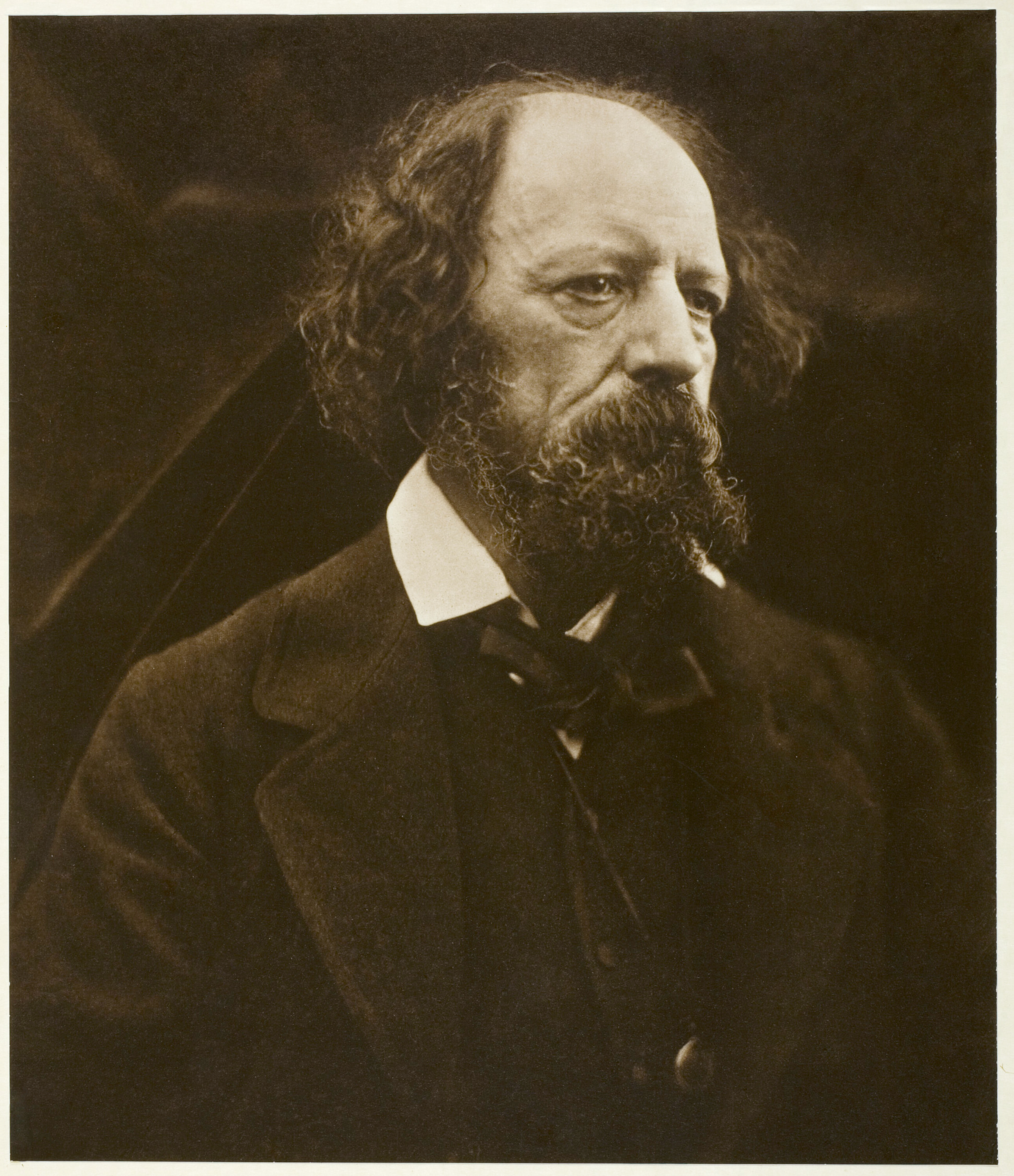
Two poems on your list were written more than 150 years apart, yet they share a form. Tennyson's Ulysses (1833) and Carol Ann Duffy's Stealing (1987) are both dramatic monologues: poems in which a single character speaks, and in which we learn far more about that character than they mean to tell us. An ageing Greek hero and a lonely modern thief could hardly be more different, but once you understand how the form works, you will write about both poems with far more confidence.
What is a dramatic monologue?
A dramatic monologue is a poem spoken by a character who is not the poet, at a particular moment, often to a listener who never replies. It is a little like overhearing one side of a conversation. Look for these features:
- A distinct speaker with their own personality, attitudes and way of speaking.
- An implied listener, whose presence we sense from the way the speaker talks.
- A dramatic situation: something has happened, or is about to happen, that prompts the speech.
- Self-revelation: the speaker gives away more about themselves than they intend, so the reader often judges them differently from the way they judge themselves.
That last feature is the heart of the form. The poet steps back and lets the character talk, trusting you to read between the lines. This is why the difference between the speaker and the poet matters so much, a point explored in Speaker vs Poet: Why the Difference Matters.
Ulysses: a hero who refuses to stop
In Ulysses, the legendary hero has returned home to Ithaca after his long adventures. Now old, he finds ordinary life unbearable. He calls himself "an idle king" and declares that he "cannot rest from travel". He hands the government of the island to his son, Telemachus, and turns to his old sailors to propose one last voyage, ending with the famous resolve "To strive, to seek, to find, and not to yield."
Read on the surface, this is a stirring speech about courage in old age. But the dramatic monologue invites a second reading. Listen to how Ulysses talks about the people he rules: he dismisses them as "a savage race" who do not know him. His wife is mentioned only briefly and coldly. His praise of Telemachus is warm, yet it also sounds a little patronising, as if governing well were a dull job for a lesser man. Without meaning to, Ulysses reveals a restless egotism alongside his heroism.
Notice, too, that the listener seems to shift. Early on he speaks almost to himself, then about his son, and finally directly to his mariners. Tracking who he is addressing helps you explain the poem's movement from complaint to rallying cry.
Stealing: a voice that unsettles
Stealing opens with a question, as though someone has just asked the speaker about their crimes, and the answer is surprising: a snowman. From the first line we are placed in the position of the listener, perhaps an interviewer, a counsellor or a police officer.
The speaker's language is colloquial and flat, full of short sentences and casual asides. They describe breaking into houses and taking things they do not need, driven by boredom and emptiness rather than greed. The snowman is the most revealing theft of all: the speaker seems to want it as a kind of companion, but it cannot survive being moved. What they long for, connection and some beauty in their life, falls apart the moment they try to possess it.
The poem ends by turning on the listener: "You don't understand a word I'm saying, do you?" Duffy does not ask us to approve of the thief, but she does challenge us to try to understand. The final question also works on us as readers. Have we understood, or have we simply judged?
Same form, different effects
These two poems make an excellent comparison because they use the same form for very different ends.
- Restlessness: both speakers reject ordinary life. Ulysses is bored by peace and domestic duty; the thief is bored by everything. One response looks heroic and the other criminal, yet the feeling underneath is similar.
- Language: Tennyson gives his speaker grand, rhythmic blank verse full of long, flowing sentences. Duffy gives hers clipped, everyday speech. Each style tells you something about the speaker's world.
- The listener: Ulysses addresses loyal companions who share his values. The thief addresses someone who, they suspect, cannot or will not understand.
- Our judgement: both poems leave the reader torn between sympathy and criticism, which is exactly what the form is designed to do.
If you want a broader view of how to structure this kind of answer, see How to Compare Two Poems in an Exam Answer.
Writing about a dramatic monologue in the exam
- Name the speaker accurately. Write "Ulysses claims" or "the thief admits", not "Tennyson says" or "Duffy steals".
- Identify the listener and the situation, and explain how they shape what is said.
- Look for the gap between how the speaker sees themselves and how we see them. This gap is where your best marks usually lie.
- Comment on tone. A speaker's tone may be proud, defensive, bitter or pleading, and it may shift. Our guide to tone versus mood will help you name it precisely.
- Connect form to meaning: explain why letting the character speak for themselves is more powerful than a poem simply describing them.
Exam tip: when a question asks for your response to a speaker, it is fine to feel mixed emotions. Say so, and support both sides with evidence.
Once you are comfortable with the form, you will spot persona poems elsewhere too. Sylvia Plath's Mirror, for example, is spoken by an object rather than a person, yet it also reveals more than its speaker seems to realise. If you would like a guided walk-through of these poems, the member videos and PowerPoints cover each one in depth (see the options).
Go Further with Video Lessons
Step-by-step video analyses and exam-style PowerPoints for every prescribed poem and setwork.