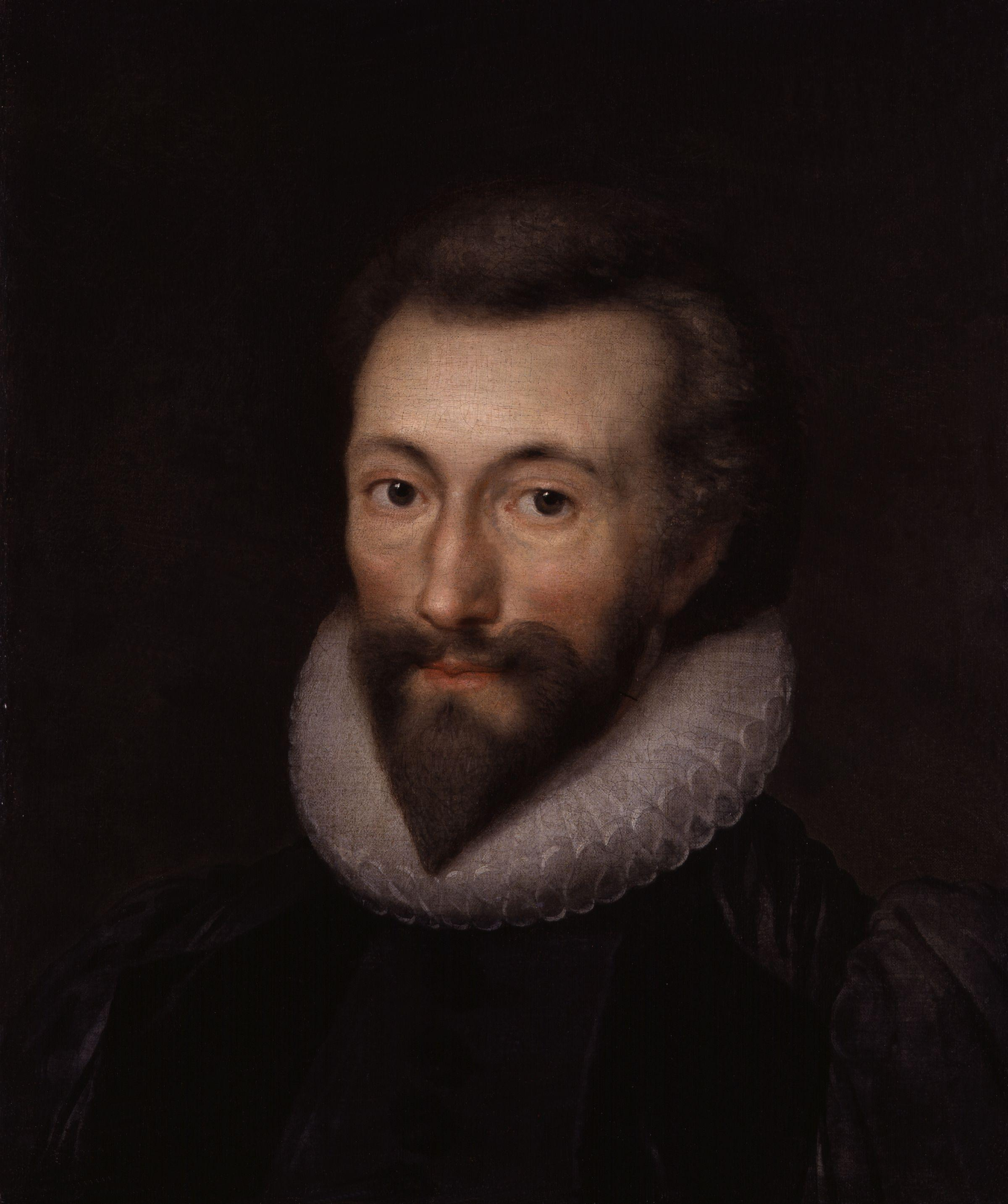
Love poems are not all hearts and roses. Two of the poems on your list show love at opposite extremes. In John Donne's The Sun Rising, a lover is so full of himself and his happiness that he orders the sun about. In Christina Rossetti's Remember, a speaker facing death puts her beloved's happiness above her own wish to be remembered. One poem is loud, witty and arrogant; the other is quiet, tender and self-sacrificing. Together they make one of the richest comparisons on the syllabus.
The Sun Rising: love as the centre of the universe
The Sun Rising opens with an insult: "Busy old fool, unruly sun". The speaker is in bed with his lover, the sun is peeping through the curtains, and he is not pleased. He tells the sun to go and wake up late schoolboys and huntsmen instead, because love has no need of its timetable.
Over three stanzas the argument grows bolder:
- First stanza: the speaker mocks the sun and dismisses time as mere "rags".
- Second stanza: he boasts that he could block out the sun's light simply by closing his eyes, and that the riches of the world are all to be found in his bed.
- Third stanza: he claims "She's all states, and all princes I". The lovers contain the whole world, so the sun, which is getting old and tired, need only shine on them to warm everything. The poem ends: "This bed thy centre is, these walls thy sphere."
This is a conceit, the elaborate, surprising comparison typical of the Metaphysical poets. It is outrageous, and Donne knows it. The fun lies in watching the speaker push his logic further and further. If you need a refresher on the device, see Metaphor, Simile and Conceit: Know the Difference.
Remember: love that lets go
Remember is a Petrarchan sonnet written when Rossetti was only nineteen. The speaker asks her beloved to remember her when she has "gone away", gone into "the silent land". She imagines a time when he can no longer hold her hand or talk with her about their future together.
Then comes the volta, the turn: "Yet if you should forget me for a while". Rather than insisting on being remembered, she releases him. If remembering her would make him sad, she would rather he forgot and smiled. The poem ends with a remarkable act of generosity: "Better by far you should forget and smile / Than that you should remember and be sad."
The structure carries the meaning. The octave asks; the sestet lets go. The repetition of "remember" in the opening lines makes the later release even more striking.
Points of comparison
Attitude to time
Donne's lover dismisses time completely. Love, he claims, knows no seasons or hours. Rossetti's speaker accepts time and death as real, and her love adapts to them. One defies time; the other makes peace with it.
Who is addressed?
This is one of the most revealing differences. Donne's speaker addresses the sun, and refers to his lover only as "she". She never speaks and is described rather like a possession: all the states of the world. Rossetti's speaker addresses her beloved directly as "you", and her concern is entirely for his feelings. Notice how the choice of listener shapes each poem's idea of love.
Tone
- The Sun Rising: playful, mocking, arrogant, exuberant.
- Remember: tender, restrained, gentle, and ultimately selfless.
Our guide to tone versus mood can help you choose precise words.
Self and other
Donne's love poem is, in a sense, about the speaker's own importance. Rossetti's is about putting the other person first. You might argue that Donne celebrates the intensity of love, while Rossetti celebrates its unselfishness. Neither view is wrong, and a thoughtful answer can value both.
Form
Donne uses irregular line lengths and a lively, argumentative rhythm, which suits a speaker who is talking his way to a bigger and bigger claim. Rossetti uses the controlled, traditional sonnet form, which suits her calm, measured voice and lets the volta mark her change of heart.
A sample thesis
Here is one way to frame an essay comparing the poems:
Both poems present love as more important than the ordinary world, but Donne's speaker proves it by defying time, while Rossetti's speaker proves it by accepting loss.
From there, each paragraph can take one aspect (time, address, tone, form) and discuss both poems together.
Common mistakes to avoid
- Calling The Sun Rising a sad poem because it mentions time and age. Its tone is triumphant.
- Reading Remember as purely gloomy. The ending is consoling, even uplifting.
- Forgetting that Donne's exaggeration is deliberate. Do not criticise the speaker for being unrealistic; explain the effect of the hyperbole.
- Writing two separate mini-essays. Compare throughout. See How to Compare Two Poems in an Exam Answer.
Both poems are in the public domain, so you can find complete, reliable texts easily, but always check your wording against your own anthology before learning quotations. The member lessons on each poem walk through the language line by line (see the options).
Go Further with Video Lessons
Step-by-step video analyses and exam-style PowerPoints for every prescribed poem and setwork.